Why Mental Performance Depends on Physical Health
We live in a world obsessed with mindset, grit, and resilience. And don’t get me wrong, those things matter. But here’s the truth I’ve learned through both coaching and endurance: your mind cannot outperform a body that is breaking down.
We often treat the mind and body as two separate systems. You go to the gym for your body and read books or meditate for your mind. But in reality, they are one integrated feedback loop. Push one too far and the other fails.
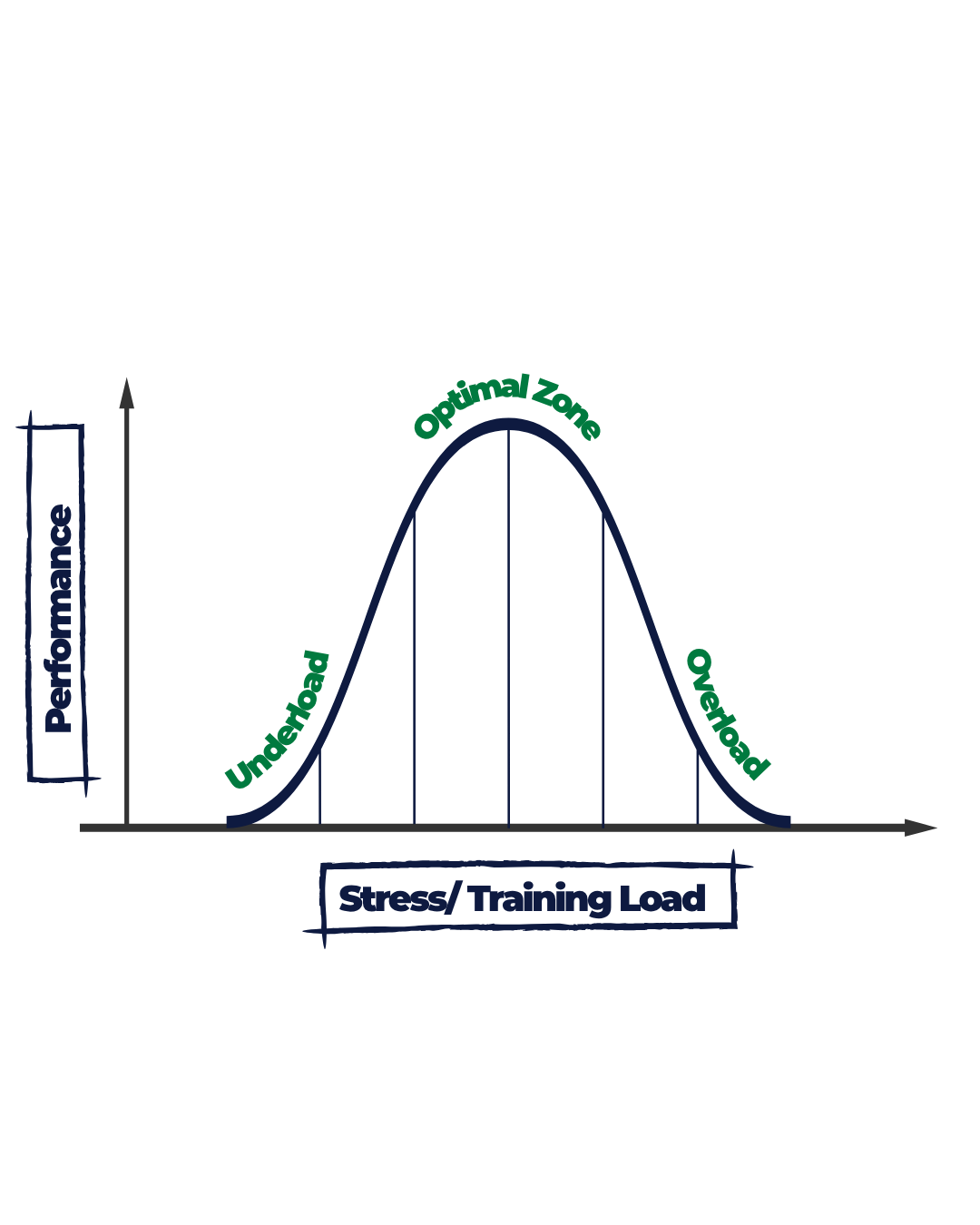
Strength, real and sustainable strength, is built through rhythm: stress, recovery, and adaptation.
Your Body Is the Vehicle, Your Mind Is the Driver
I have never understood how people can chase success while neglecting their physical health.
They pour energy into work, family, or side projects but skip sleep, miss meals, and call it “the grind.”
It is like trying to win a race with an empty tank.
Your body is the vehicle, and your mind is the driver. They reach the destination together. When you neglect one, you slow them both.
Most people think success is all about mindset, but mindset is fuelled by physiology. You cannot think clearly when you are exhausted, anxious, or inflamed. You cannot perform at your best when your body is depleted and your nervous system is in overdrive.
The foundation of mental performance is physical consistency.
The Mistakes High Performers Make
I see it all the time. High performers chase big goals while skipping the basics. They push through 12-hour days, sleep five hours a night, and call it “commitment.”
They believe that mental strength alone can override physical neglect until burnout forces balance.
It is not a question of if, but when.
The biggest mistake is thinking that more effort equals more results. It does not.
Effort without recovery leads to exhaustion.
Discipline without rest leads to burnout.
Ambition without balance leads to collapse.
High performance is not about working harder. It is about working in rhythm, pushing, recovering, adapting, and repeating.
The Story That Proved It
One of my clients came to me frustrated and flat.
He had stopped exercising after a career change, and over 18 months he gained 23 kilos. His energy was gone, his confidence had crashed, and he told me, “Even looking in the mirror feels heavy.”
We did not start with journaling or affirmations. We started with movement.
A simple training plan with four sessions a week.
A recovery rule of eight hours of sleep.
A nutrition goal of eating real food instead of convenience food.
Two weeks in, he was already feeling better.
By 45 days, he was moving differently.
At 60 days, he had dropped eight kilos, and more importantly, he had regained belief in himself.
That shift flowed into every part of his life. He showed up to work sharper, made better decisions, and carried a level of presence his colleagues noticed. His physical transformation became a mental and emotional one.
He did not need a new mindset. He needed his body back online.
The Science That Backs It
In 2010, researchers Kellmann and Kallus developed the Recovery–Stress Questionnaire, showing that mental resilience directly correlates with physical recovery habits like sleep, nutrition, and training balance.
In other words, your ability to handle stress depends on how well you recover from it.
Recovery is not passive. It is an active driver of sustained performance.
You cannot think your way out of burnout, you have to rest your way through it.
And if you want true mental toughness, start by respecting recovery as much as effort.
“Recovery isn’t the reward, it’s the work.”
Three Habits to Strengthen the Body–Mind Loop
Move daily.
Movement is medicine. It trains your mind through motion.
You do not need to smash yourself, just be consistent. Mix strength, mobility, and endurance work.
When your body moves, your mind follows.Respect recovery.
Sleep, nutrition, and downtime are not signs of weakness, they are the foundation of resilience.
Rest is not something you earn, it is something you schedule.Track energy, not just output.
You cannot pour from an empty cup. Start noticing what fuels your energy and what drains it.
Do an “energy audit” once a week. Identify people, tasks, or habits that cost you energy and those that give it back.
The Cost of Ignoring This
When you ignore your physical health, it always catches up with you.
Chronic fatigue, brain fog, mood swings, and poor decision-making become normal.
You start showing up to life on half a battery.
The ultimate downside is losing your edge, both mentally and physically, until you cannot perform, connect, or even recognise yourself anymore.
We often say, “I’ll rest when things slow down,” but they never do.
Burnout does not ask for permission; it forces you to stop.
The Payoff
When you master the rhythm of stress and recovery, everything changes.
You perform more consistently. You make clearer decisions. You feel calm and grounded, even under pressure.
You stop chasing energy and start generating it.
That is when you become the kind of person whose body and mind operate as one — calm, capable, and consistent.
The goal is not to work harder. It is to operate as one integrated system.
When your body and mind move together, you achieve more with less stress.
If you are feeling like you have drifted from your best self, it starts with clarity.
Take the Life Performance Scorecard, a free 3-minute tool that shows exactly where you are thriving and where you have fallen out of balance.
It is time to get your body and mind back on the same team.